Camilo Escobar-Sierra
Environmental stress · Biological responses · Resilience
Environmental Stress Systems Ecology
How do living systems cope with environmental stress?
Pollution, increasing salinity and other environmental pressures affect living systems in many ways. Organisms respond by adjusting their molecular processes, physiology and interactions with their environment. These changes can influence how they function, maintain their health and recover from disturbance.
My research explores how biological processes work together under environmental stress, how their organisation changes, and what these changes mean for resilience.
I combine field studies, molecular biology and computational approaches, drawing on my experience with aquatic organisms and ecosystems to investigate questions that extend across biological scales.
Current position
Postdoctoral Researcher & Lecturer
Institute for Environmental Research (IfER), RWTH Aachen University
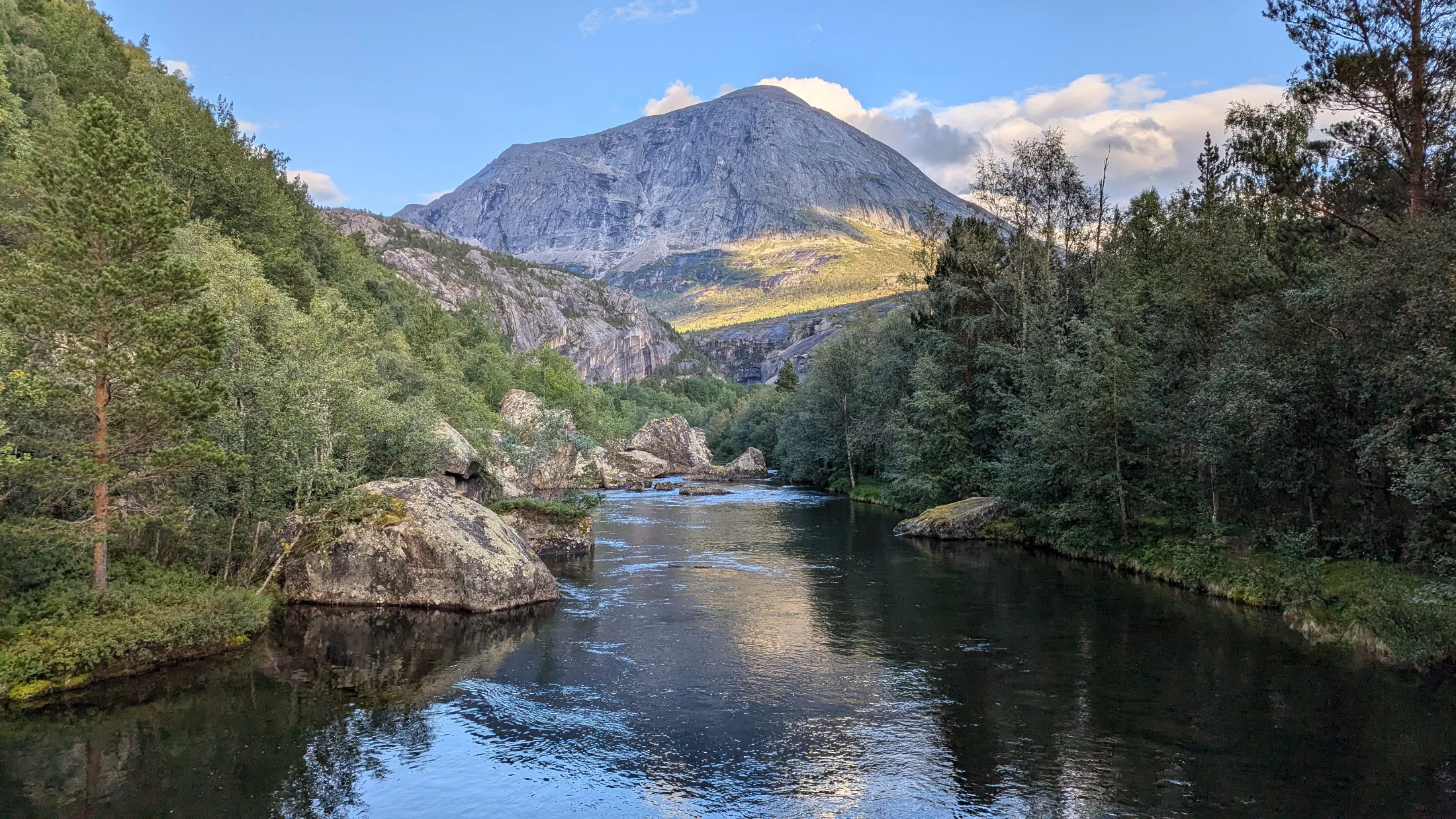
Exploring and fishing Arctic rivers in Norway.
How I study environmental stress
My work connects field studies, biological responses and the evidence needed to understand them.
Environmental stress in the field
I study how pollution, salinity and other environmental pressures affect aquatic systems through field studies and experiments that reflect natural exposure conditions.
How biological systems cope
I investigate how biological processes adjust under stress, how these responses help maintain essential functions, and how their effectiveness changes as environmental pressures increase.
Connecting molecular and ecological evidence
I bring together molecular, microbial, physiological and ecological information to understand how biological processes are coordinated and how this organisation influences health and resilience.
I also develop reproducible data-analysis tools that help researchers interpret, compare and reuse molecular evidence, especially for less-studied species.
Exploring environmental stress across biological scales
These connected aspects of my research help explain how environmental pressures affect living systems. Their relationships can vary across different systems.
- Environmental pressuresField studies · exposure
- Biological responsesGenes · microbes · physiology
- How processes work togetherBiological organisation
- Health & functionCondition · performance
- Resilience & ecological changePersistence · recovery
Biological organisation describes how the components and processes of living systems interact and coordinate their activities.
Selected work
EchoGO
An open-source tool that helps researchers interpret changes in gene activity, particularly in less-studied species.
Holtemme Gammarus Ecotoxicogenomics
A reproducible analysis connecting pollutant mixtures in a river with changes in gene activity and biological networks in the freshwater amphipod Gammarus pulex.
Biological organisation and resilience
Ongoing research into how living systems coordinate their responses to environmental stress and maintain essential functions.
A trajectory grounded in organisms and field ecology
My research began with field studies of fish and freshwater ecosystems in Colombia. I later focused on how fish physiology and gene activity respond to environmental stress. Today, I combine field observations, molecular evidence and computational approaches to investigate biological organisation and resilience.
About me · Selected publications
Follow the research
Current project updates, conference activity and work in progress are shared through professional channels.